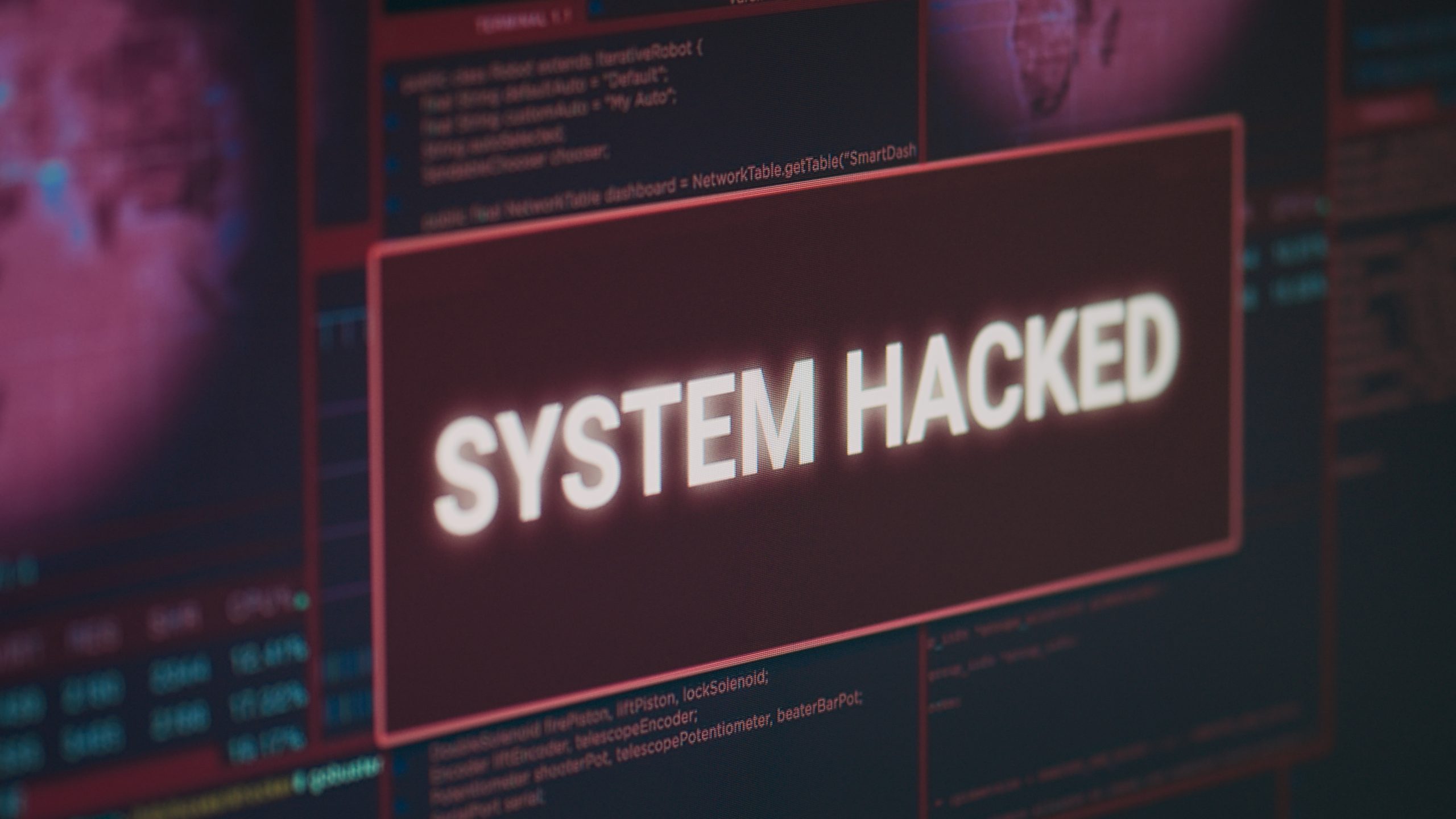
When most businesses think about ransomware, they picture a single number. The ransom demand.
But the reality is far more complex and far more costly.
Ransomware attacks rarely end with a payment. In many cases, the ransom itself is just a small portion of the total financial and operational impact. For businesses, especially small and mid sized organizations, the hidden costs can be the most damaging and long lasting.
What Is Ransomware?
Ransomware is a type of malicious software that encrypts a company’s data or systems and demands payment in exchange for access. Attackers often request payment in cryptocurrency and may also threaten to leak sensitive data if demands are not met.
What has changed in recent years is the scale and sophistication of these attacks. Modern ransomware operations are highly organized, often targeting businesses that lack the resources to respond quickly.
The financial impact reflects that shift. The average cost of a ransomware attack has climbed into the millions, with estimates reaching over $5.5 million per incident when factoring in total impact costs.
The Hidden Costs Behind the Attack
Downtime and Lost Productivity
One of the most immediate impacts of ransomware is operational disruption. Systems go offline, employees cannot access tools, and business processes stall. Some reports show downtime lasting weeks, with an average of over two weeks in many cases.
Every hour offline translates into lost revenue, delayed projects, and missed opportunities.
Recovery and Remediation Costs
Even after an attack is contained, the recovery process can be expensive and time consuming. Businesses often need to hire cybersecurity experts, rebuild systems, and investigate how the breach occurred.
In many cases, the cost of recovery far exceeds the ransom itself, with some estimates showing recovery costs reaching up to ten times the ransom payment.
Reputation Damage and Customer Loss
Trust is difficult to measure but easy to lose. After a ransomware attack, customers may question whether their data is safe. Studies show that a large percentage of customers will stop doing business with companies that experience a breach.
This can lead to long term revenue decline and increased marketing costs to rebuild credibility.
Regulatory Fines and Legal Costs
If sensitive data is exposed, businesses may face compliance penalties and legal consequences. Regulations tied to data privacy and security can result in fines, especially if it is determined that proper safeguards were not in place.
Long Term Business Impact
The effects of ransomware do not end when systems are restored. Increased insurance premiums, stricter vendor requirements, and ongoing security investments can impact a company’s financial health for years.
In severe cases, ransomware incidents have contributed to business closures, particularly among smaller organizations that lack the resources to recover.
What Is AI Ransomware?
A growing concern for businesses is the rise of AI-driven ransomware.
AI ransomware uses artificial intelligence to make attacks faster, more targeted, and harder to detect. Instead of relying on broad, generic attacks, cybercriminals can now automate reconnaissance, identify vulnerabilities, and customize attacks for specific organizations.
This can include:
- Automatically scanning networks for weak points
- Crafting more convincing phishing emails using AI-generated content
- Adapting attack strategies in real time based on system responses
As AI continues to evolve, ransomware attacks are becoming more efficient and more difficult to defend against, increasing both the likelihood and the impact of an incident.
Why Many Businesses Are Not Prepared
Despite the growing threat, many businesses still underestimate the full scope of ransomware risk.
Some rely on basic security tools without a comprehensive strategy. Others assume that backups alone are enough to protect them. In reality, ransomware attacks often target backups and exploit gaps in monitoring and response.
Limited internal IT resources can make it difficult to stay ahead of evolving threats, leaving businesses exposed.
How Kamin Associates Supports Businesses
Kamin Associates works with businesses to strengthen their cybersecurity posture and reduce exposure to ransomware threats. Their approach focuses on prevention, preparation, and rapid response.
By helping organizations implement layered security strategies, maintain reliable backups, and monitor systems continuously, Kamin Associates supports businesses in reducing both the likelihood and the impact of ransomware incidents.
Their goal is not just to respond to attacks, but to help businesses build resilience so they can continue operating even in the face of disruption.
Taking Ransomware Risk Seriously
Ransomware is not just an IT issue. It is a business risk with financial, operational, and reputational consequences.
Understanding the hidden costs is the first step toward making better decisions about security and preparedness.
If your organization has not recently evaluated its ability to detect, respond to, and recover from a ransomware attack, now is the time to take a closer look. Even small improvements in visibility, backup strategy, and response planning can make a meaningful difference.