When employees think about IT, the helpdesk is often the first thing that comes to mind. It’s where problems get solved, frustrations surface, and productivity is either restored quickly or stalled even longer. A great IT helpdesk experience does more than fix issues. It builds trust, minimizes downtime, and keeps businesses moving forward.
So what separates a great IT helpdesk from one that simply reacts to tickets? It comes down to a combination of people, process, and technology working together seamlessly.
Fast, Reliable Response Times
Speed matters. When a user submits a ticket, they want acknowledgment quickly and resolution as soon as possible. Long wait times lead to lost productivity and frustration across the organization.
A strong helpdesk sets clear service level expectations and meets them consistently. This includes rapid initial response times, accurate ticket prioritization, and efficient escalation paths when issues are more complex.
Knowledgeable, Human Support
Automation and AI have their place, but nothing replaces knowledgeable human support when something breaks. A great helpdesk connects users with technicians who understand both the technology and the business impact of the issue.
This means fewer handoffs, less repetition for the user, and faster resolutions. Experienced technicians ask the right questions, explain solutions clearly, and make users feel supported rather than rushed.
Clear Communication From Start to Finish
One of the biggest complaints about IT helpdesks is poor communication. Users want to know what’s happening, how long it will take, and what to expect next.
A great helpdesk keeps users informed throughout the entire process. Ticket updates are timely, explanations are easy to understand, and resolution steps are clearly documented. Even when an issue takes time, transparency builds confidence.
Proactive Problem Solving
The best helpdesks do not just fix issues as they come in. They look for patterns, recurring problems, and root causes. If the same issue keeps appearing, it signals a larger problem that needs a permanent solution.
Proactive monitoring, preventative maintenance, and regular system reviews reduce the number of tickets over time. This shifts the helpdesk from a reactive function to a strategic asset.
Simple and Accessible Support Channels
Users should never struggle to get help. Whether support is accessed through a ticketing portal, email, phone, or chat, the process should be straightforward and intuitive.
A great helpdesk meets users where they are, while still maintaining structured workflows behind the scenes. Easy access leads to faster reporting, better documentation, and quicker resolution.
Consistent Processes and Documentation
Behind every smooth helpdesk experience is a well-defined process. Consistent workflows ensure tickets are handled efficiently and nothing falls through the cracks.
Documentation also plays a critical role. Knowledge bases, standard operating procedures, and clear resolution notes allow technicians to solve problems faster and ensure continuity when issues are escalated or revisited.
Security Built Into Every Interaction
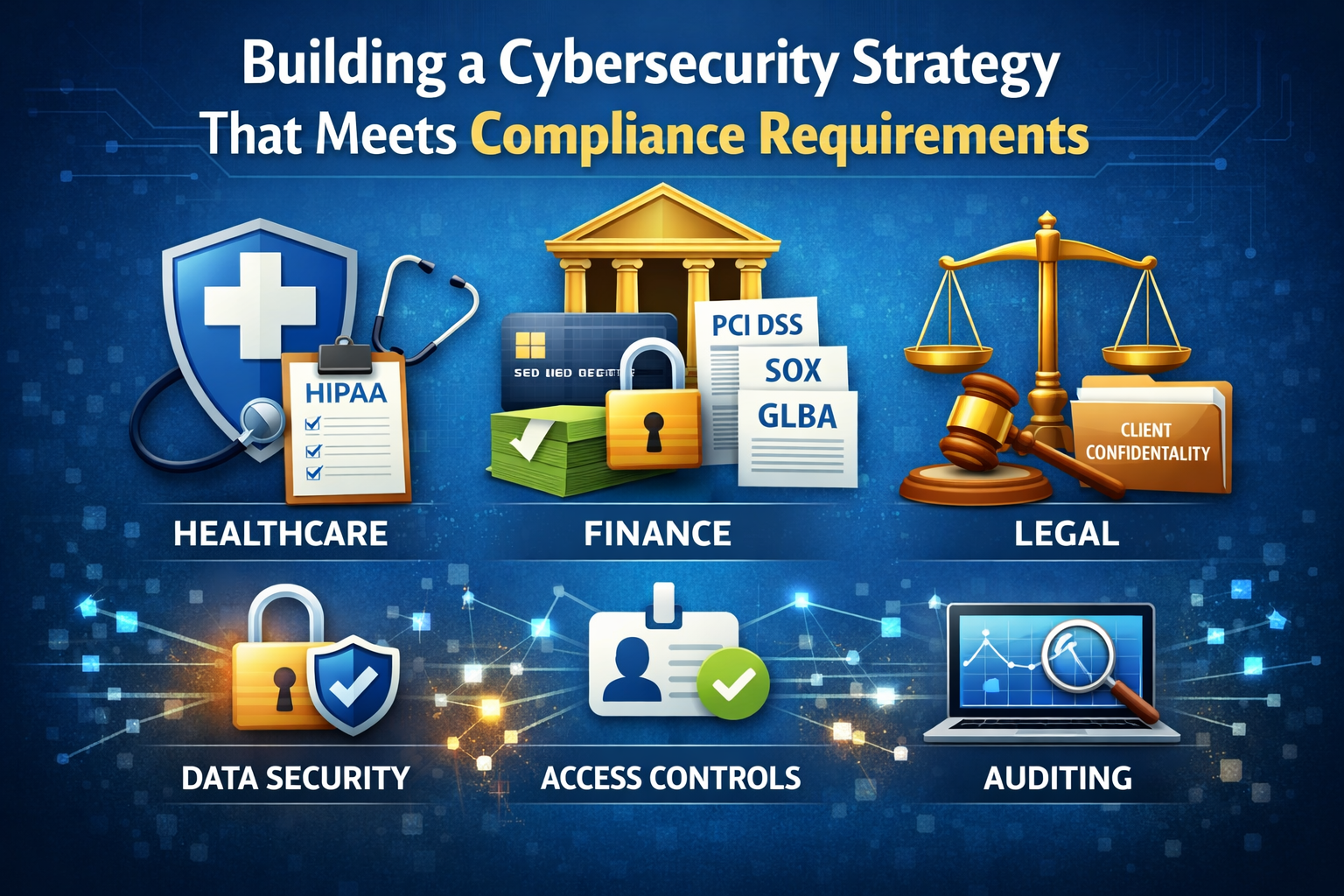
IT support often involves access to sensitive systems and data. A great helpdesk balances responsiveness with security by following strict access controls, identity verification, and compliance standards.
Multi-factor authentication, role-based access, and audit trails help protect the business while still delivering efficient support.
Metrics That Actually Matter
Great helpdesks track performance, but they focus on the right metrics. Resolution time, first-contact resolution rate, ticket trends, and user satisfaction all provide insight into how well support is truly functioning.
These metrics are used to improve service, not just report on it. Continuous improvement is a hallmark of a mature helpdesk operation.
A Helpdesk That Supports Business Goals
Ultimately, IT support exists to support the business. A great helpdesk understands company priorities and aligns its service accordingly. Whether that means supporting remote work, enabling growth, or minimizing downtime during peak hours, context matters.
When IT support is aligned with business goals, it becomes a competitive advantage rather than a cost center.
Why the Helpdesk Experience Matters
The helpdesk is often the most visible part of IT. Every interaction shapes how employees perceive technology and the team behind it. A great IT helpdesk experience leads to higher productivity, happier employees, and fewer disruptions to daily operations.
Investing in the right tools, the right people, and the right processes makes all the difference. When done well, the helpdesk becomes not just a support function, but a trusted partner in the success of the business.